Matsoni Coconut Yogurt
A Gut-Health-Focused Dairy-Free Alternative
I love making milk kefir and classic thermophilic yogurts, but some people — especially those dealing with inflammation and dairy intolerances — need other options.
That led me to make L. reuteri coconut yogurt per the method shared by Dr. William Davis in Super Gut. Inspired by that process, Matsoni has quickly become my go-to culture for simple, consistent, gut-friendly non-dairy yogurt.
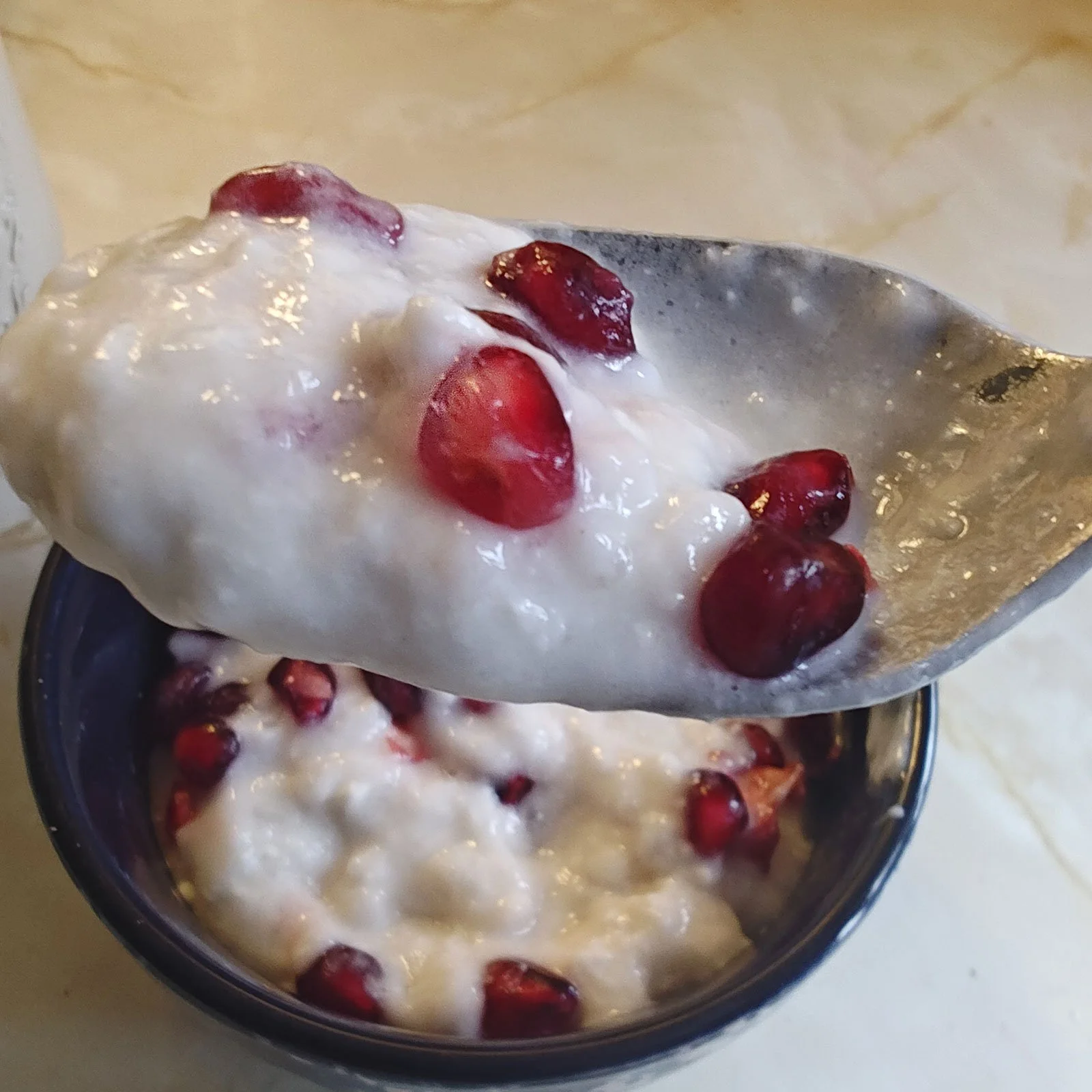
Matsoni is a traditional dairy yogurt culture that ferments best at room temperature, and can be enticed to create a coconut milk yogurt.
Ingredients
(Per 13.5-oz can of coconut milk)
1 can full-fat coconut milk (avoid brands with gums and emulsifiers)
1 teaspoon inulin (a soluble fiber known for its prebiotic properties)
1 teaspoon gelatin (or 2 teaspoons for a thicker yogurt)
1 tablespoon sugar (optional; consumed during the fermentation process; helps the gelatin create a thicker yogurt and feeds yogurt culture)
2 tablespoons Matsoni starter (or one packet of dried matsoni culture)
Instructions
1. Bloom Gelatin
Pour the coconut milk into a small pot. Sprinkle the gelatin over the surface and allow it to bloom for 5 minutes.
2. Warm Coconut Milk
Once the gelatin is fully bloomed, warm on the lowest heat.
3. Incorporate Inulin and Sugar
Whisk in the inulin, known for supporting gut health, along with the sugar until fully dissolved.
4. Cool the Mixture to Room Temperature
Allow the mixture to cool completely to room temperature (65-80°F) to prepare for adding the matsoni starter.
5. Add Matsoni Starter
Once the mixture has cooled, gently whisk in the matsoni starter.
6. Ferment at Room Temperature for 12-48 Hours
Keep the yogurt at a consistent temperature of 65–80°F for fermentation.
A shorter fermentation (12 hours) results in a milder flavor.
A longer fermentation (18–48 hours) yields a tangier profile.
Note: Coconut-based matsoni may not thicken as much during fermentation, but firmness develops during chilling.
7. Chill to Set
Refrigerate the yogurt for at least 4 hours. The gelatin will set, resulting in a creamy, thick texture.
Expected Texture
You can expect a yogurt that's soft-set to moderately thick, depending on the amount of gelatin and sugar used.
Functional nutrition Benefits
1. Probiotic Content
Matsoni culture is a source of lactic acid bacteria, which can support gut health. This type of yogurt may be particularly suitable for individuals on dairy-restrictive diets such as AIP, GAPS, or temporary elimination diets, as it can help maintain a balanced gut microbiome.
2. Inulin as a Prebiotic
Inulin acts as a prebiotic, providing nourishment for beneficial gut bacteria. Its inclusion can support digestive health, making it a valuable option for individuals who may experience gut dysbiosis.
3. Gelatin Benefits
Gelatin has properties that may aid in maintaining the integrity of the intestinal lining, potentially beneficial for individuals with gastrointestinal sensitivities. Additionally, it may support overall digestion and help reduce inflammation.
4. Coconut Milk as a Nutrient-Dense Alternative
Coconut milk is a nutrient-dense, dairy-free alternative that offers beneficial fats, particularly medium-chain triglycerides (MCTs). It's anti-inflammatory and can be suitable for many individuals — so long as they digest coconut fats well (not everyone does!). For those who don’t digest coconut well, I’ve sometimes seen supplemental digestive enzymes make a huge difference!