Lacto-Carrots
Fermented carrots are one of the easiest and most rewarding probiotic foods to make at home. This lacto-fermented carrot recipe supports gut health, digestive function, and immune balance, all while adding tangy crunch to your meals.
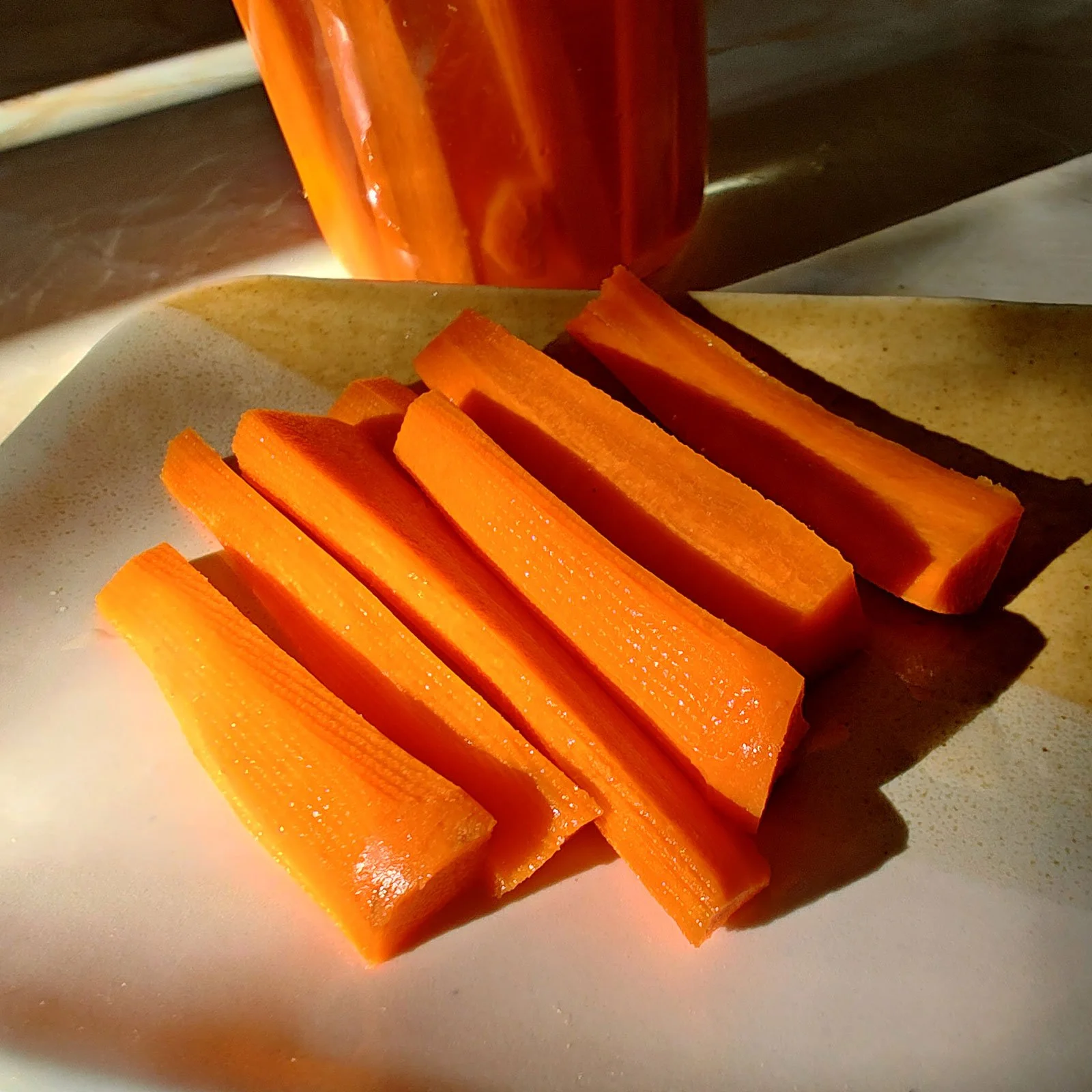
Naturally rich in beneficial bacteria, fermented carrots are a perfect introductory food for anyone exploring fermented vegetables or functional nutrition.
Ingredients
2 pounds carrots, peeled
3 tablespoons sea salt (non-iodized)
Optional: 1 sprig fresh thyme, 2 bay leaves, or other herbs like dill or rosemary.
Supplies Needed
Mason jars with lids
Fermentation weights (see below)
Instructions
Prep the carrots
Slice peeled carrots into spears no wider than 1 inch for proper fermentation.Make your brine
Dissolve 3 tablespoons of salt into 4 cups of filtered water. This creates a 2% brine solution.Pack the jars
Add carrots and herbs to clean mason jars. Pour the brine over until everything is completely submerged.Weigh down the vegetables
Use a fermentation weight to keep the carrots below the brine line. Exposure to air can lead to spoilage.Fermentation weight options include:
A clean jelly jar filled with water
A silicone muffin liner
Glass weights with handles for wide-mouth jars (my favorite option, Amazon affiliate link)
Let it ferment
Cover jars loosely and keep them at room temperature (60–75°F), out of direct sunlight, for 3–14 days. Taste after 3 days and continue fermenting until desired sourness is reached.Store and enjoy
Once fermented to your liking, seal the jars and refrigerate. Best consumed within 2 weeks for optimal texture and probiotic content.
More of a relish/spread person? Check out fermented ginger carrots!
Health Benefits of Fermented Carrots
Supports Digestive Health
Lacto-fermentation introduces beneficial probiotic bacteria such as Lactobacillus, which support digestion, reduce bloating, and enhance nutrient absorption.
Enhances Nutrient Bioavailability
Fermentation increases the availability of nutrients like vitamin C, B vitamins, and antioxidants such as beta-carotene (a precursor to vitamin A).
Reduces Potential Allergenic Compounds
The fermentation process can help break down certain proteins and FODMAPs, making vegetables easier to tolerate for those with sensitive digestion or mild food reactivity.
Modulates the Immune System
Probiotic foods support gut-associated lymphoid tissue, helping to regulate immune responses and lower inflammation. Like all fermented foods, it increases histamine, so watch out if you have a histamine intolerance or sensitivity.
Are Fermented Carrots Safe for People with Allergies?
While carrots are not a common allergen, they contain proteins that can cause oral allergy syndrome (OAS) in individuals with pollen allergies—especially birch. Fermentation may help reduce this reactivity, but those with known sensitivities should proceed cautiously and introduce fermented vegetables slowly.
Storage Tips
Keep refrigerated in a sealed jar.
Best consumed within 2 weeks, but can last up to 1–2 months.
Watch for texture or odor changes; discard if mold or off smells develop.
Frequently Asked Questions
Q: How long do fermented carrots last in the fridge?
A: Typically 1 to 2 months when stored properly, but they’re best within the first 2 weeks for taste and texture.
Q: Are fermented carrots good for digestion?
A: Yes. They contain natural probiotics that support gut flora balance and digestive efficiency.
Q: Can I use this method for other vegetables?
A: Absolutely. This 2% brine works well for cauliflower, radishes, green beans, and cucumbers.
Q: Do fermented carrots contain probiotics?
A: Yes. When prepared and stored properly, lacto-fermented carrots are rich in live probiotic cultures.